Strong winds, heavy rain, snow, and ice can all take a toll on your trees. After a storm passes, it can be difficult to know whether a tree is safe, needs pruning, or should be removed altogether.
While some storm damage is obvious, other problems may not become visible until weeks or even months later. Knowing what to look for can help protect your property, your family, and the long-term health of your trees.
Here’s what you should do after a storm:
Inspect Your Property from a Safe Distance
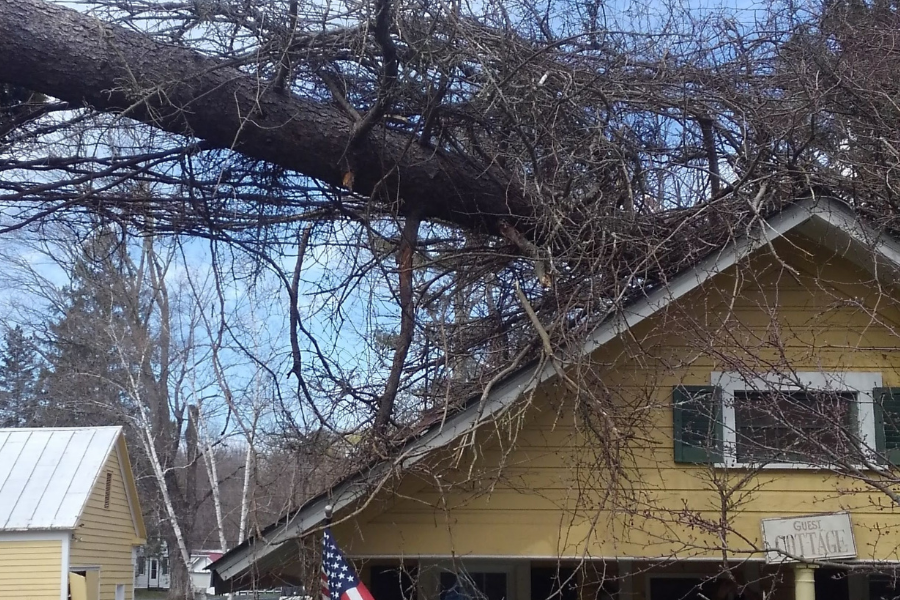
Before walking around your yard, look for obvious hazards from a safe location.
Watch for:
- Broken or hanging branches
- Trees leaning more than usual
- Cracks or splits in the trunk
- Uprooted trees or exposed roots
- Branches resting on power lines
If you notice a tree touching power lines, stay away and contact your utility company immediately. Never attempt to remove branches from electrical lines yourself.
Look for Hidden Damage
Not all storm damage is immediately noticeable.
A tree may appear healthy while hiding structural damage that could cause problems later.
Signs to watch for include:
- Fresh cracks in the trunk
- Split branch unions
- Missing bark
- Large broken limbs
- Soil lifting around the base of the tree
- Sudden leaning after the storm
These issues may indicate that the tree’s structural stability has been compromised.
Don’t Start Cutting Right Away

It can be tempting to remove damaged branches yourself, but improper pruning often causes more harm than good.
Avoid:
- Climbing damaged trees
- Cutting large limbs without proper equipment
- Removing branches under tension
- Using a ladder with a chainsaw
Storm-damaged trees can behave unpredictably, making DIY cleanup dangerous.
Know When a Tree Can Be Saved
Many trees recover surprisingly well after storm damage.
A certified arborist can often preserve a tree by:
- Removing damaged limbs
- Cabling and bracing
- Correcting broken branch structure
- Pruning for future stability
- Monitoring recovery over time
Early intervention can prevent small problems from becoming major hazards.
When Tree Removal May Be Necessary
Sometimes removal is the safest option.
Removal may be recommended if:
- The trunk has split significantly.
- More than half of the canopy has been lost.
- The tree is leaning toward a home or structure.
- The root system has been severely damaged.
- The tree poses an immediate safety hazard.
A professional assessment can determine whether removal is truly necessary or if the tree can safely recover.
Why Professional Tree Inspections Matter
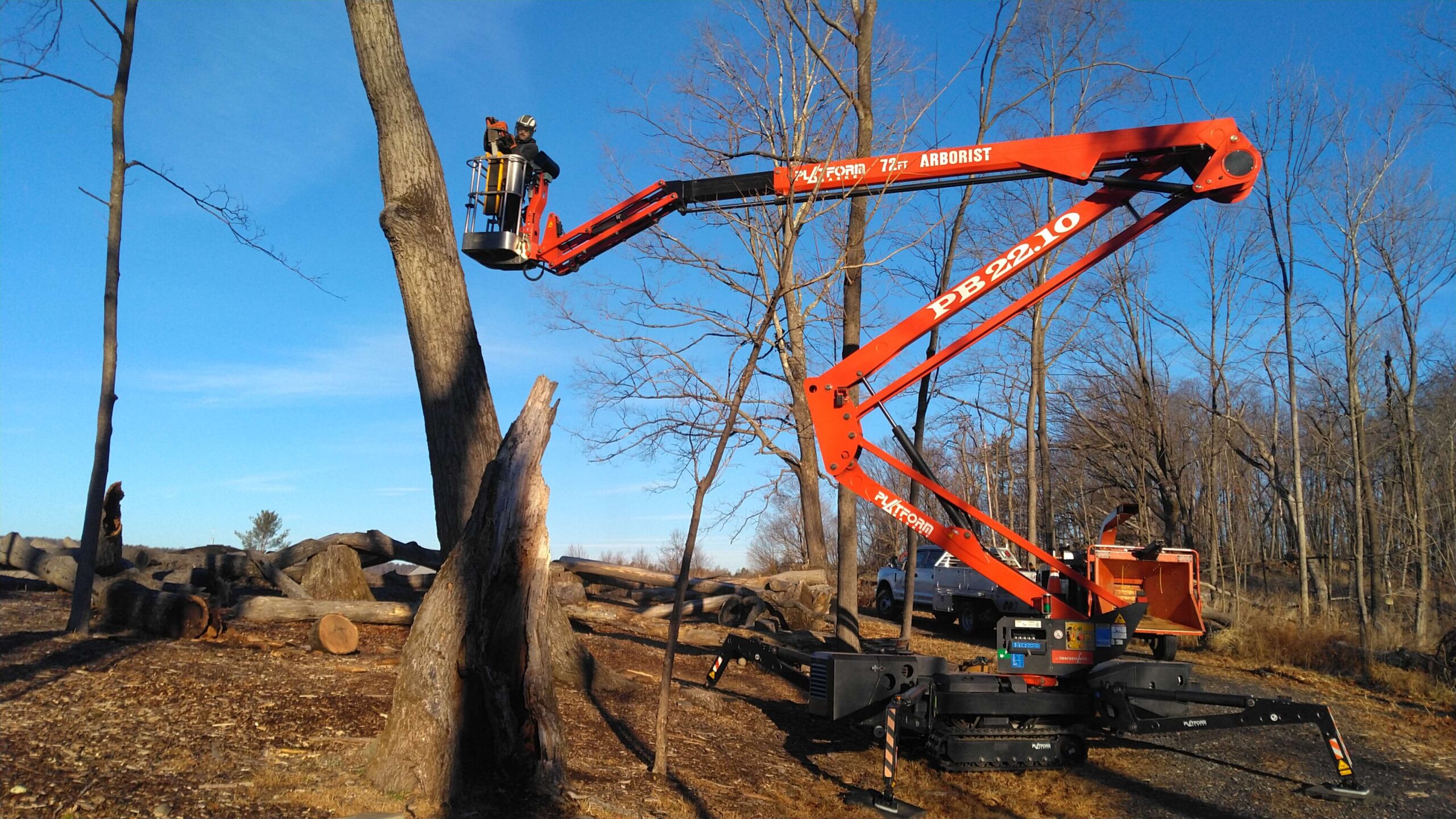
Storm damage isn’t always obvious, and every tree responds differently.
A certified arborist can evaluate:
- Structural integrity
- Root stability
- Overall tree health
- Future risk of failure
- Whether pruning or removal is the best solution
Having a tree inspected after a major storm provides peace of mind and helps prevent future property damage.
Protect Your Trees Before the Next Storm
Routine maintenance is one of the best ways to reduce storm damage.
Regular pruning removes weak or dead branches, improves tree structure, and allows trees to better withstand high winds and heavy snow.
Keeping trees healthy year-round can significantly reduce the likelihood of major failures during severe weather.
Schedule a Storm Damage Tree Inspection in Greene County, NY
If your property has experienced storm damage, don’t wait for a damaged tree to become a bigger problem.
The team at Powell’s Tree Care provides professional tree inspections, storm damage cleanup, emergency tree removal, and expert pruning throughout Greene County and the surrounding communities.
Contact Powell’s Tree Care today to schedule a storm damage assessment and keep your property safe after severe weather.